


CDT alumni Yang Bong (2021 cohort) and Neelima Sailaja (2015 cohort) were part of the organising team for the 7th Asia-Europe Foundation Higher Education Innovation Laboratory (ASEFInnoLab7), hosted at the University of Nottingham from 24-28 August 2026. They worked alongside Minjia Chen from the University’s Business School as part of the main organising team for the event.
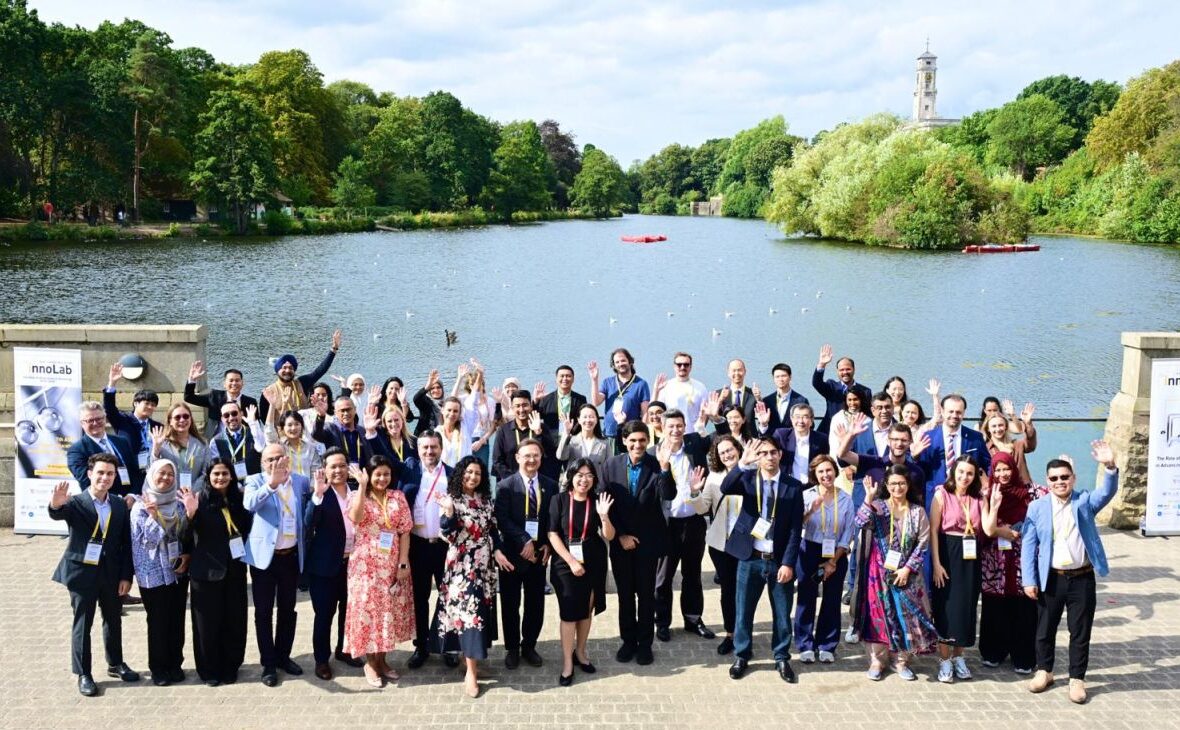
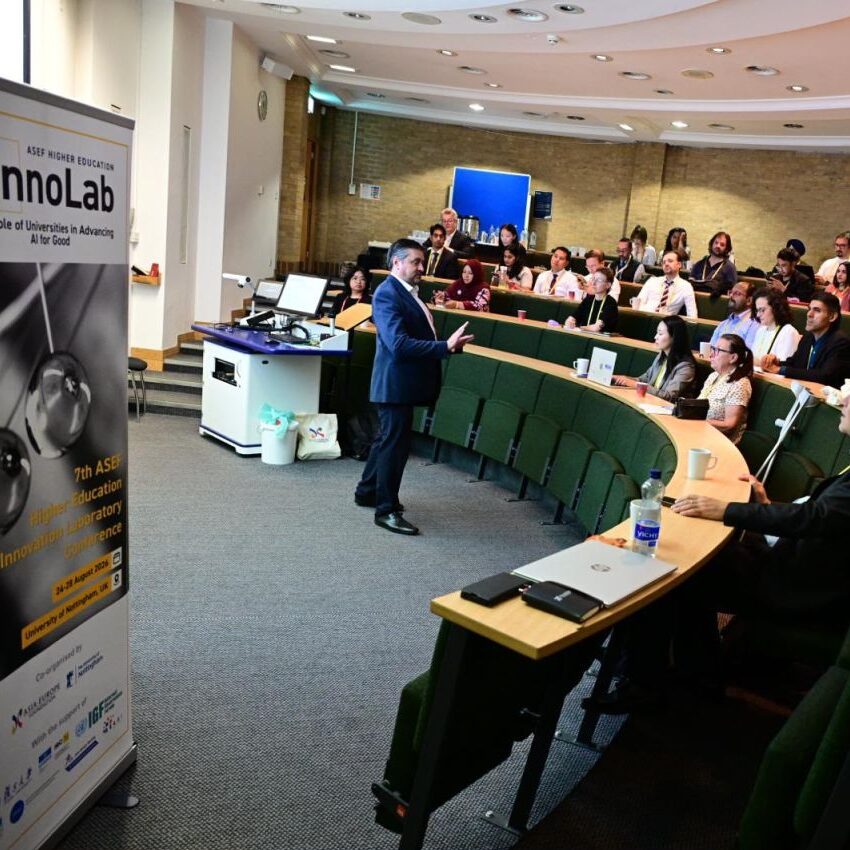
The conference brought together around 70 higher education experts, academics, researchers and practitioners from 32 countries across Asia and Europe to explore the theme ‘Universities’ Role in Advancing AI for Good’.
As part of ASEFInnoLab7, CDT students and alumni were invited to join an international cohort working on white papers exploring the role of AI in higher education. CDT students Bogna Liziniewicz, Favour Borokini, Nimisha Parashar, Pavlos Panagiotidis and Ramneek Athwal, together with Yang, took part in the White Paper Lab, working with researchers and practitioners from across Asia and Europe.
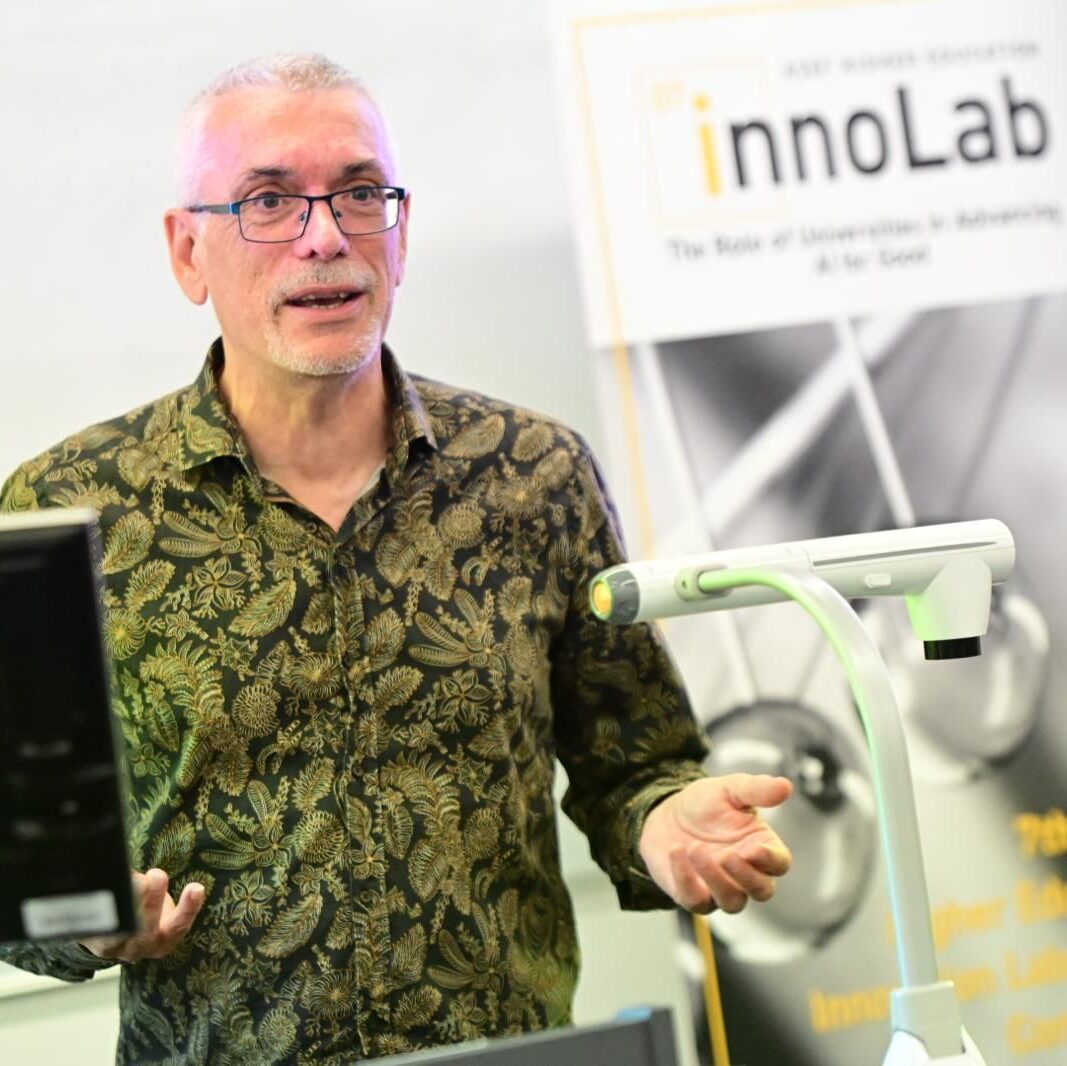
The cohort was welcomed by Professor Tom Rodden and colleagues from the University of Nottingham. CDT Director Professor Steve Benford also invited participants to look at technology from a different perspective, drawing on his work on Somabotics and our changing relationship with technology, how it shapes the way we live and work, and the emerging role of AI in our wider human experience.
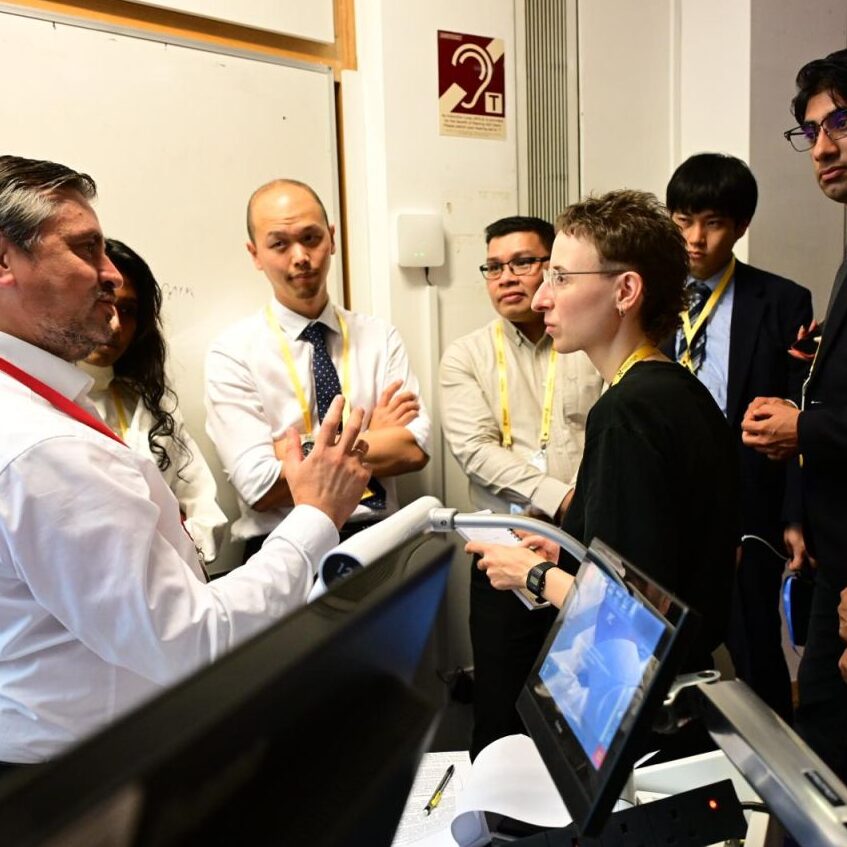
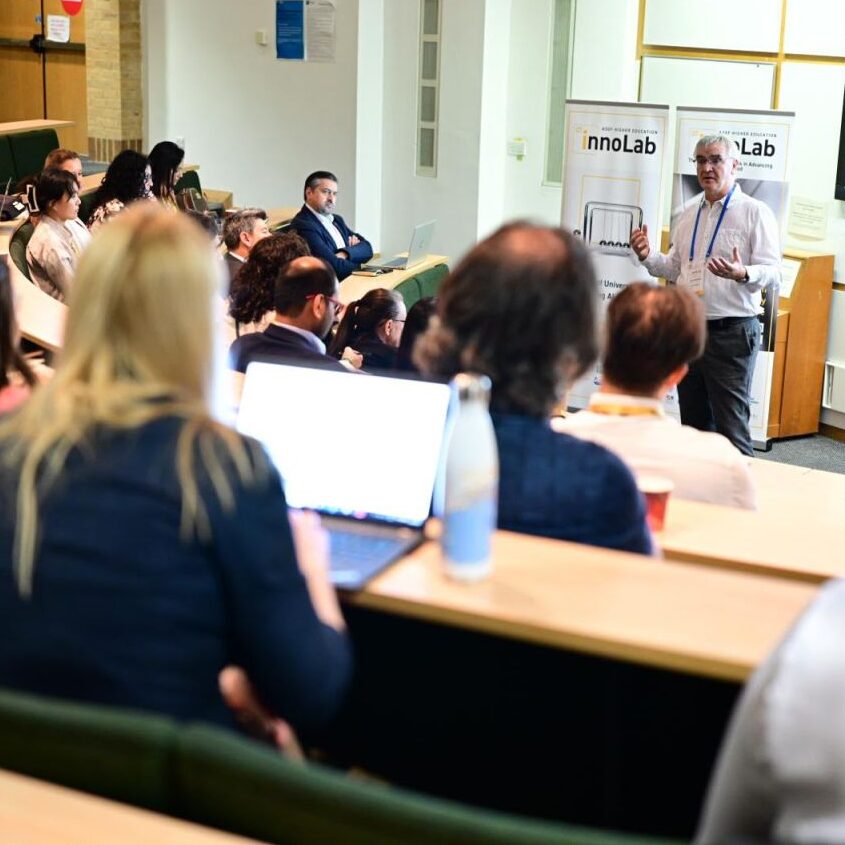
During the conference, participants presented their draft white papers, received feedback and discussed their ideas with other researchers and practitioners. The sessions provided an opportunity to share knowledge, develop the papers and make connections with people working on AI and higher education across Asia and Europe.
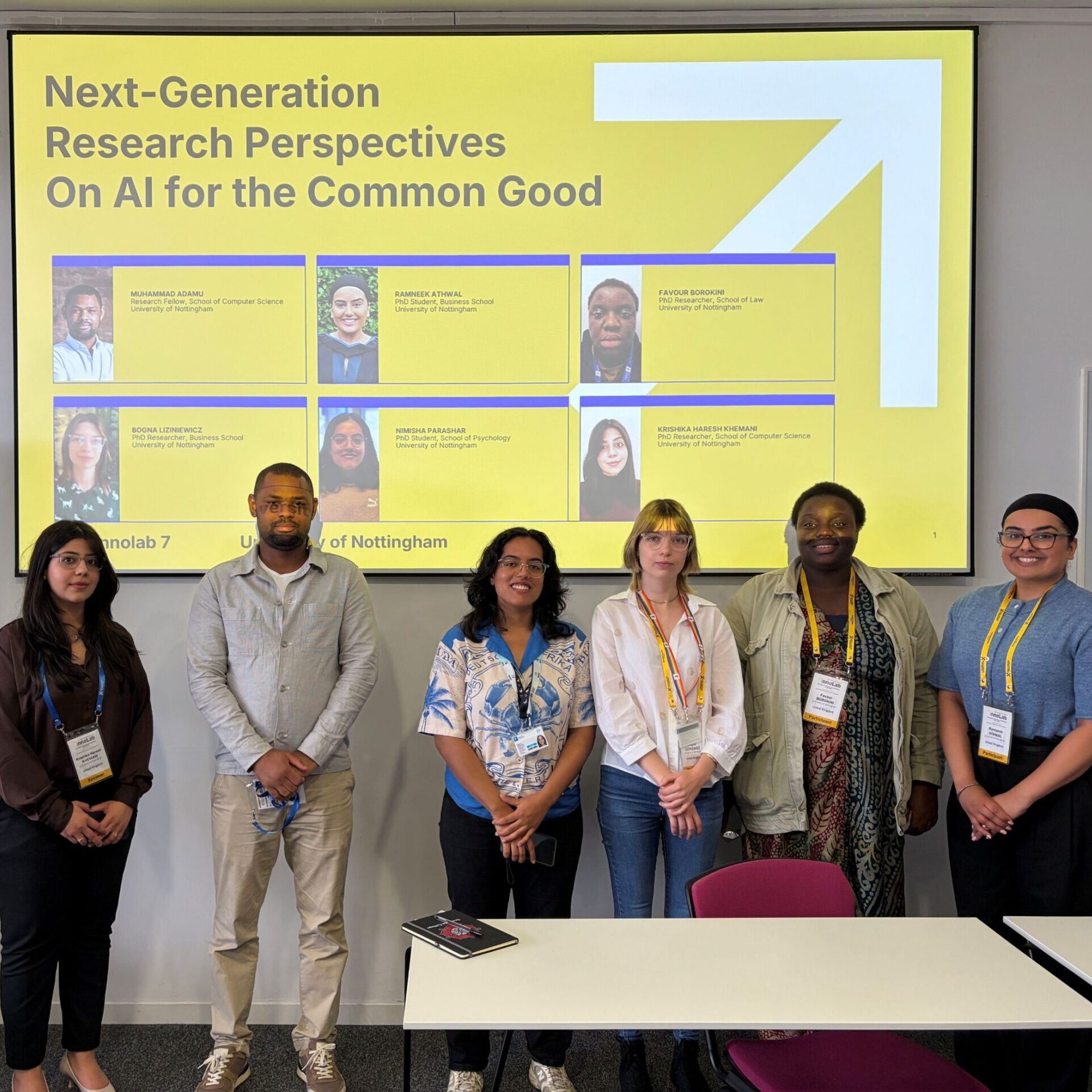
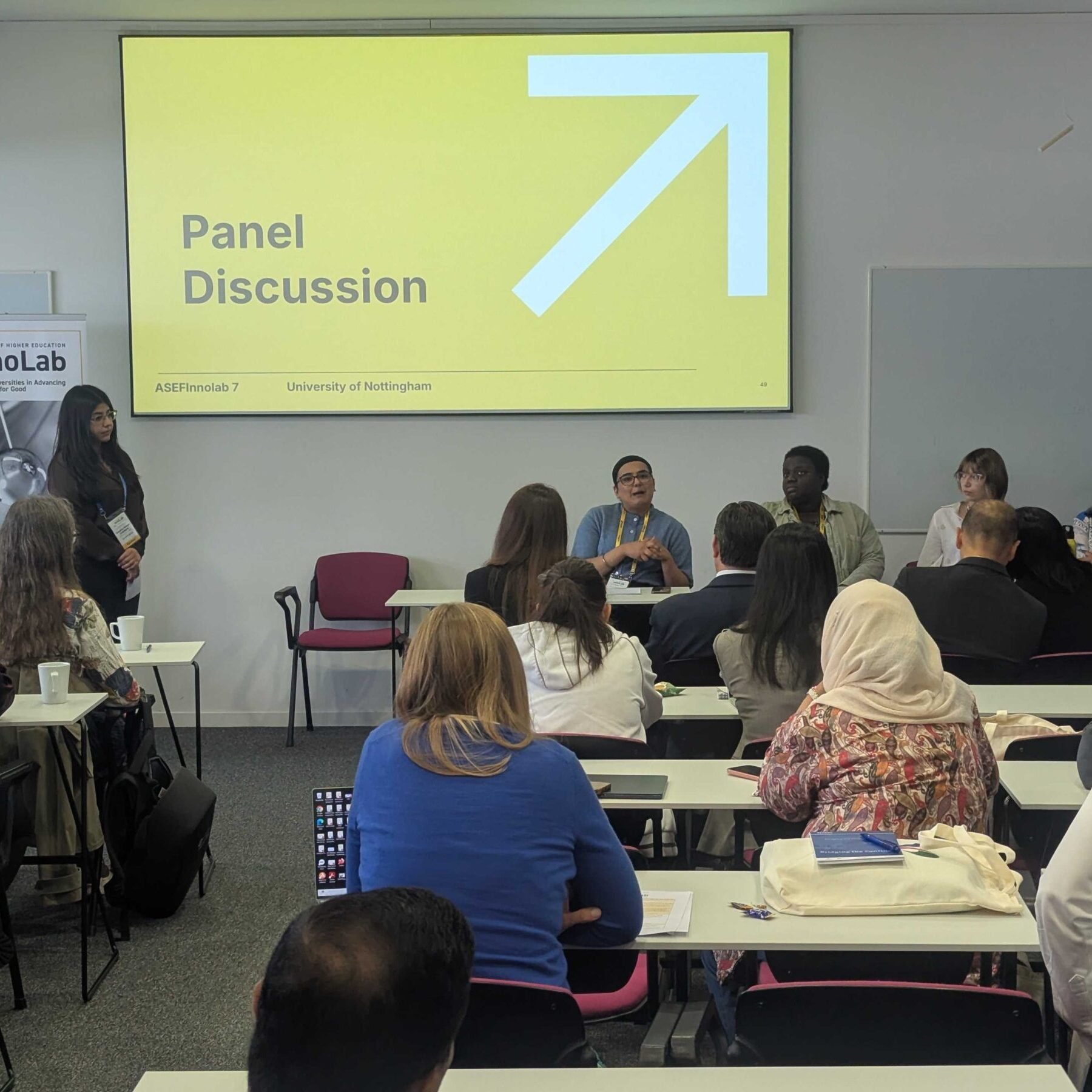
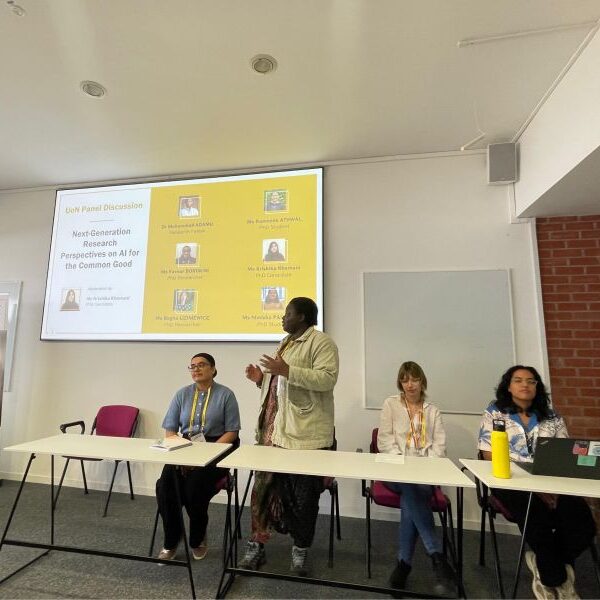
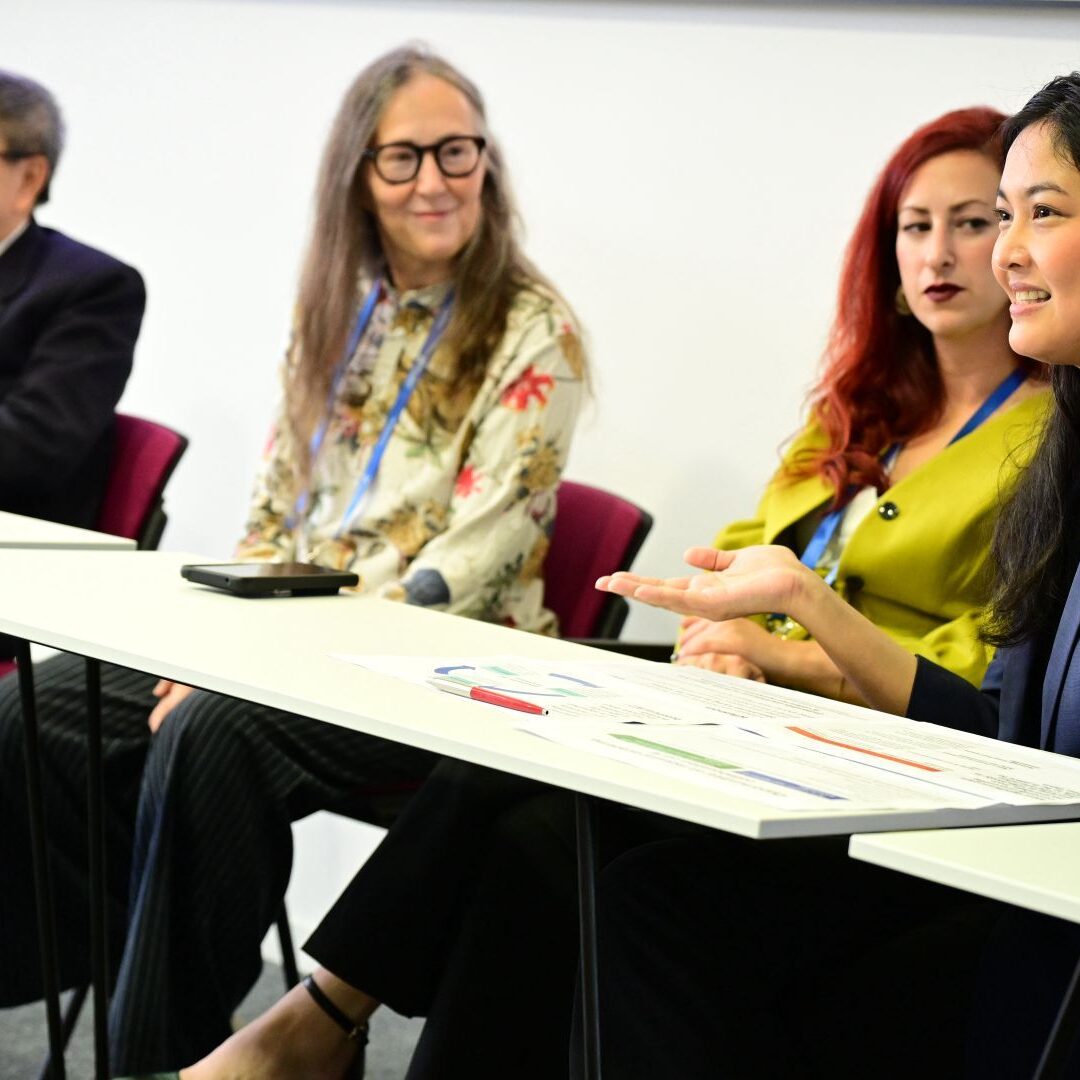
The conference also gave CDT researchers an opportunity to share their work with an international audience. Bogna, Favour, Nimisha and Ramneek took part in a panel session on ‘Next-generation research perspectives on AI for the common good’. Each researcher presented their research topic or area, followed by a panel discussion sharing different perspectives on how AI can contribute to the common good.
CDT alumni were also represented in the roundtable ‘Reimagining Industry-Academe Collaboration in the Age of AI’. The session looked at how universities and industry can work together to develop responsible, inclusive and socially beneficial AI. Dr Vanja Ljevar (2017 cohort), CDT alumnus and Data Psychologist and Founder of Kubik Intelligence, contributed to the discussion alongside speakers from industry and members of the ASEM Education Expert Group on Digitalisation and AI. The discussion covered different approaches to university-industry partnerships, shared responsibilities and how innovation can be developed with the common good in mind.
The White Paper Lab builds on Yang’s previous experience of working with the ASEF network. His involvement in developing a white paper with international experts previously led to the work being shared through the Asia-Europe for Artificial Intelligence (AE4AI) network with relevant stakeholders. This shows how involvement in international networks can help CDT research and ideas reach people beyond the university.
ASEFInnoLab7 is a great example of the CDT community continuing to connect and collaborate beyond the programme. Through Yang’s involvement, current students had the opportunity to take part in an international network, share their research and experiences and contribute to discussions around AI and its potential to deliver real-world impact. It also brought together CDT alumni, current students, academics and industry practitioners around some of the key questions about the future of AI.
 |  |
 |  |
 |  |
 |  |